


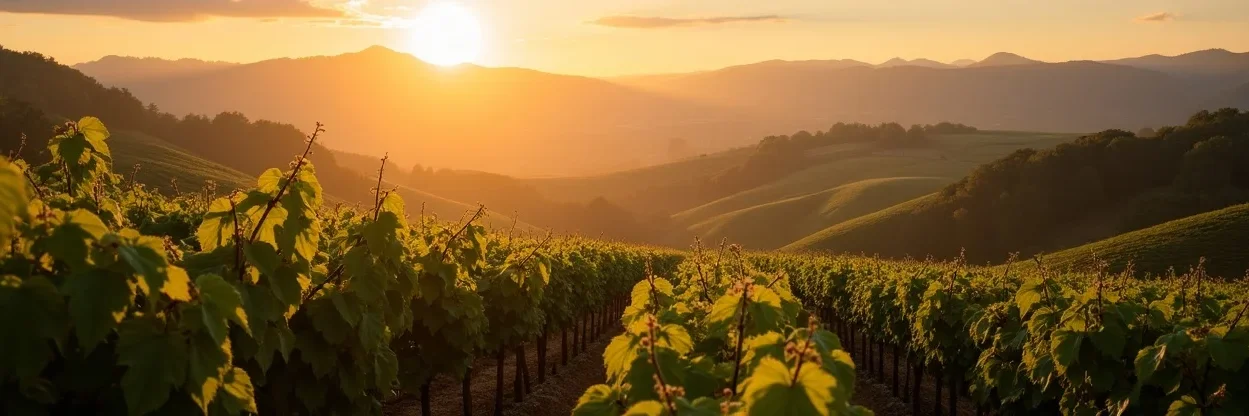
Farrm Wines
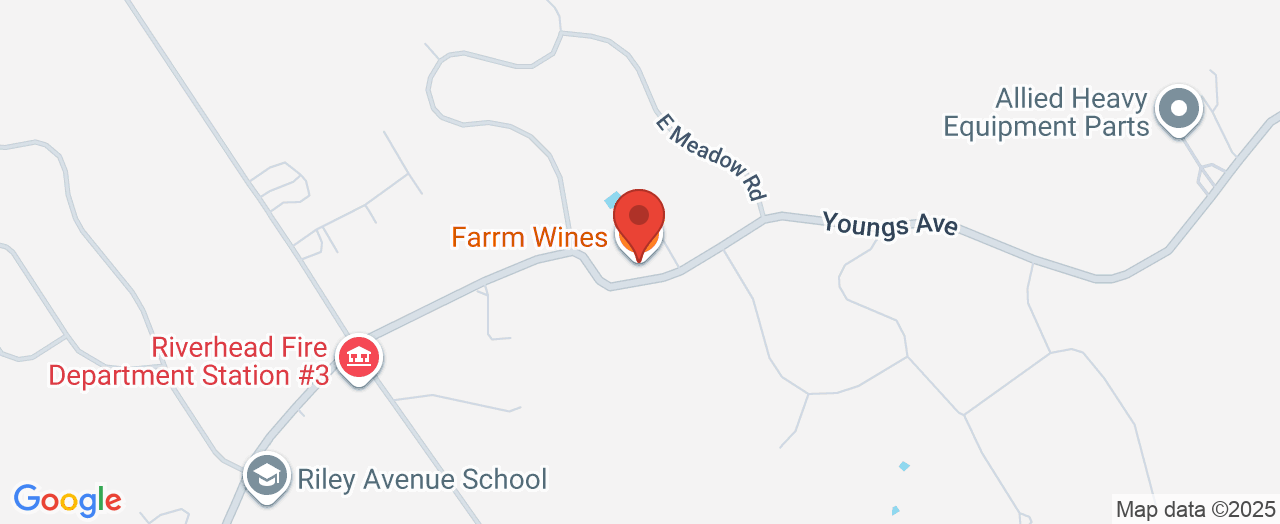
📍 Address: 156 Youngs Ave, Baiting Hollow, NY 11933, USA
📞 Phone: +1 631-369-8237
🌐 Website: https://farrmwine.com/
★★★★★
Rating:4.9
The Surprising Impact of Biodynamic Farming—Why Everyone Should Pay Attention
In a world where food and agriculture are becoming ever more industrialized, the call for truly sustainable farming is louder than ever. Biodynamic farming, a term that sparks strong curiosity, has begun capturing the imagination of growers and consumers alike. Could a method rooted in harmony with nature hold the key to healthier soil, resilient crops, and foods with richer flavors? As consumers continue to seek produce and wines that come from authentic, environmentally conscious sources, understanding this innovative approach has never been more crucial.
Biodynamic farming stands at the crossroads of tradition and pioneering philosophy. It challenges not just conventional methods but even those of standard organic farming practices. For readers, the value of exploring biodynamic agriculture extends beyond just environmental perks. It’s about uncovering deeply rooted principles that influence what arrives on market shelves and dinner plates. As people demand greater transparency from the food and beverages they consume, the tension grows: What sets biodynamic produce apart, and why does it matter? This article unpacks these questions with authority and clarity, revealing how biodynamic farming could transform not only what we eat and drink, but the land beneath our feet.
Unveiling Biodynamic Farming: Beyond ‘Organic’ to Holistic Agriculture
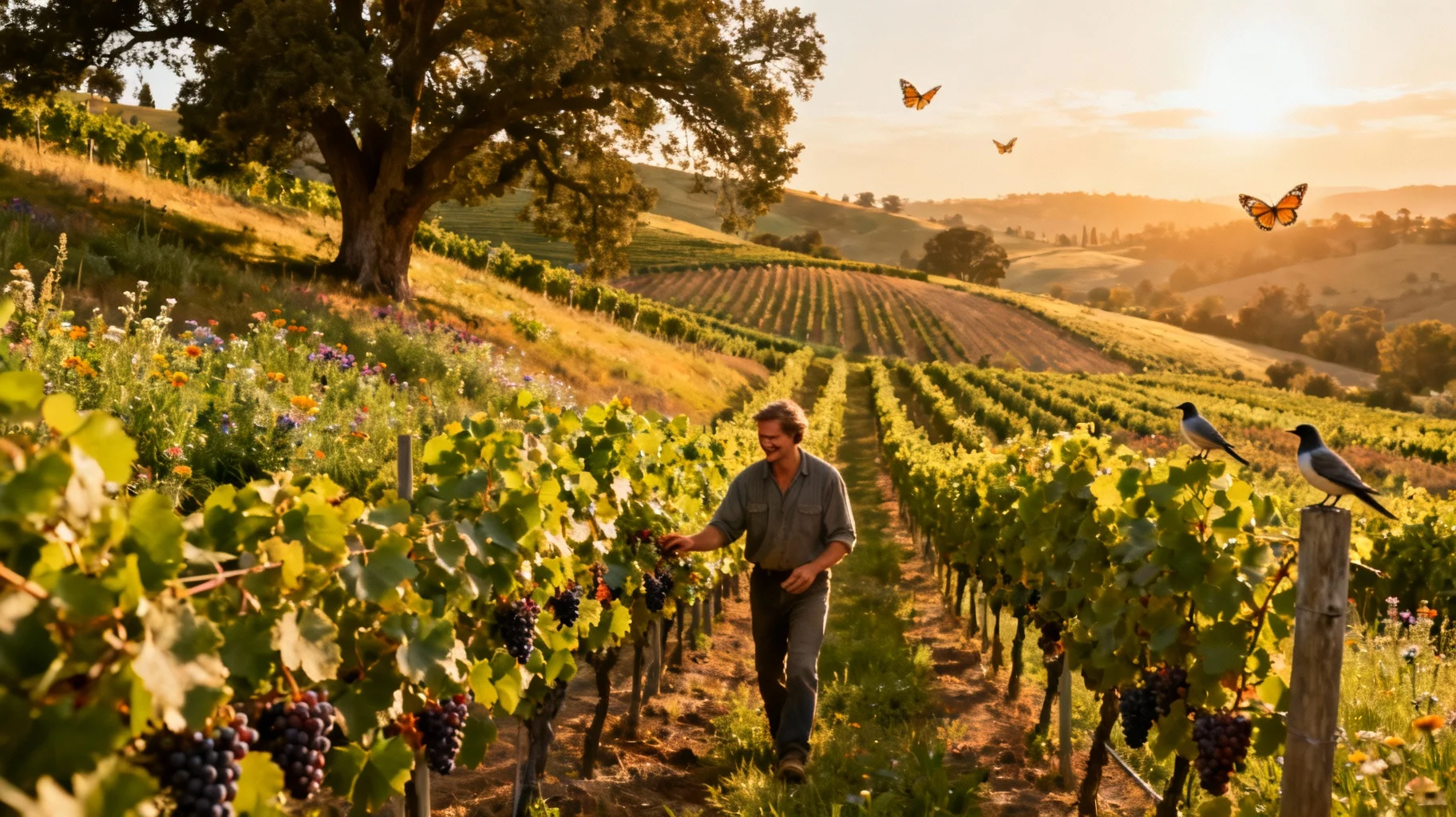
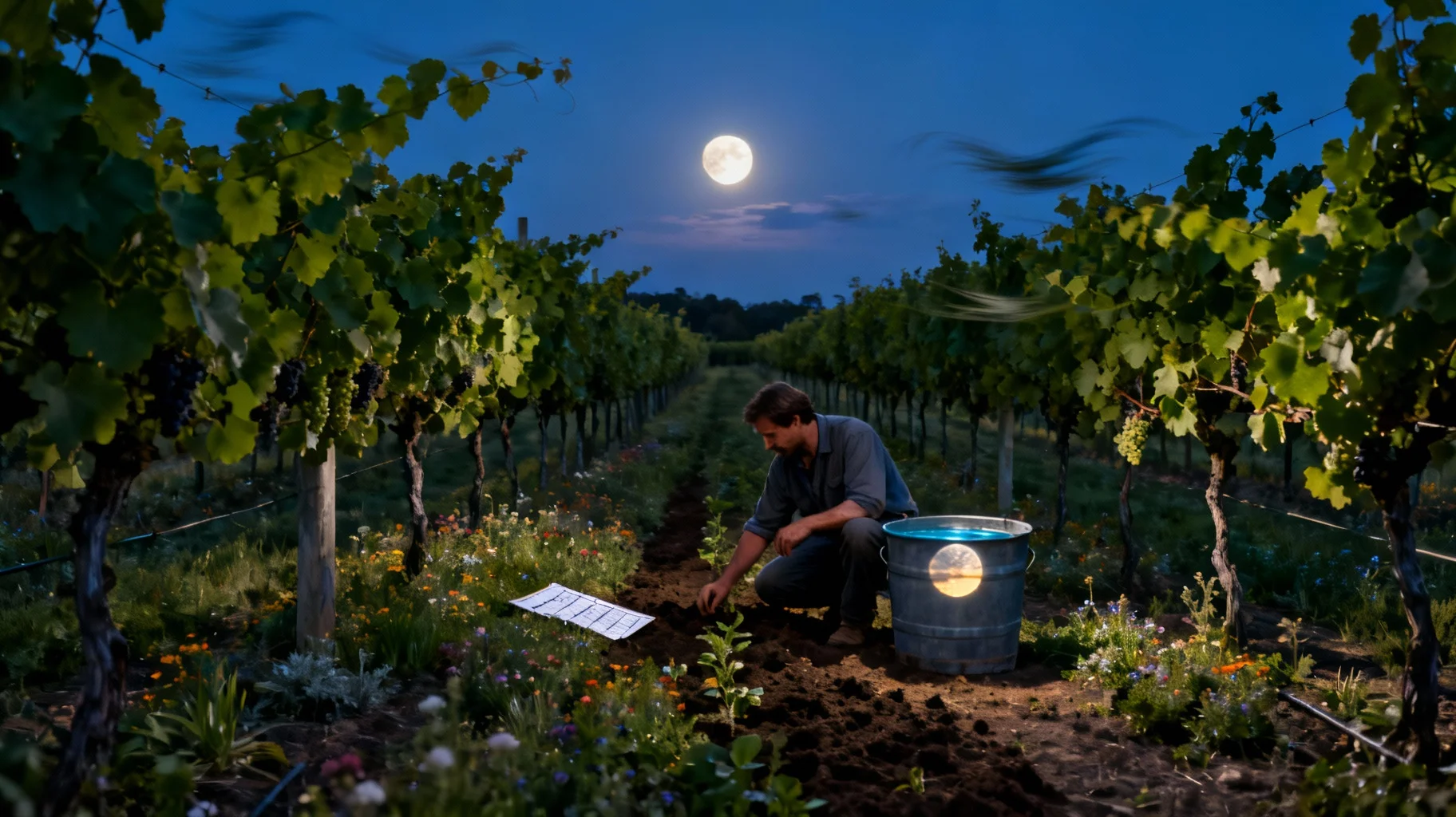
At its core, biodynamic farming is more than just an upgrade from organic agriculture—it is an all-encompassing system that treats the farm as a living organism. Developed in the early 20th century, this method incorporates ecological, ethical, and even spiritual principles. Farmers engaging in biodynamic practices utilize natural preparations, composts, and planting calendars dictated by lunar and cosmic rhythms. Unlike standard organic regulations, which emphasize avoiding synthetic inputs, biodynamic farmers actively regenerate the soil, enhance ecosystem health, and foster biodiversity at every level.
For those new to these concepts, it’s easy to underestimate their impact. Yet, a lack of understanding can translate to missed opportunities for improved soil vitality, flavor intensity in crops, and true environmental resilience. In fact, farms that overlook such integrative practices often find themselves relying on external inputs or battling against the natural cycles rather than working with them. The gap between simply “organic” and fully “biodynamic” farming is marked by a profound sense of stewardship—an approach that sees soil, plants, animals, and humans as interconnected. Educating oneself on these differences equips readers to make more informed choices—whether growing a backyard garden or selecting a bottle of wine.
Why Biodynamic Farming Rewrites the Rules for Sustainability and Taste
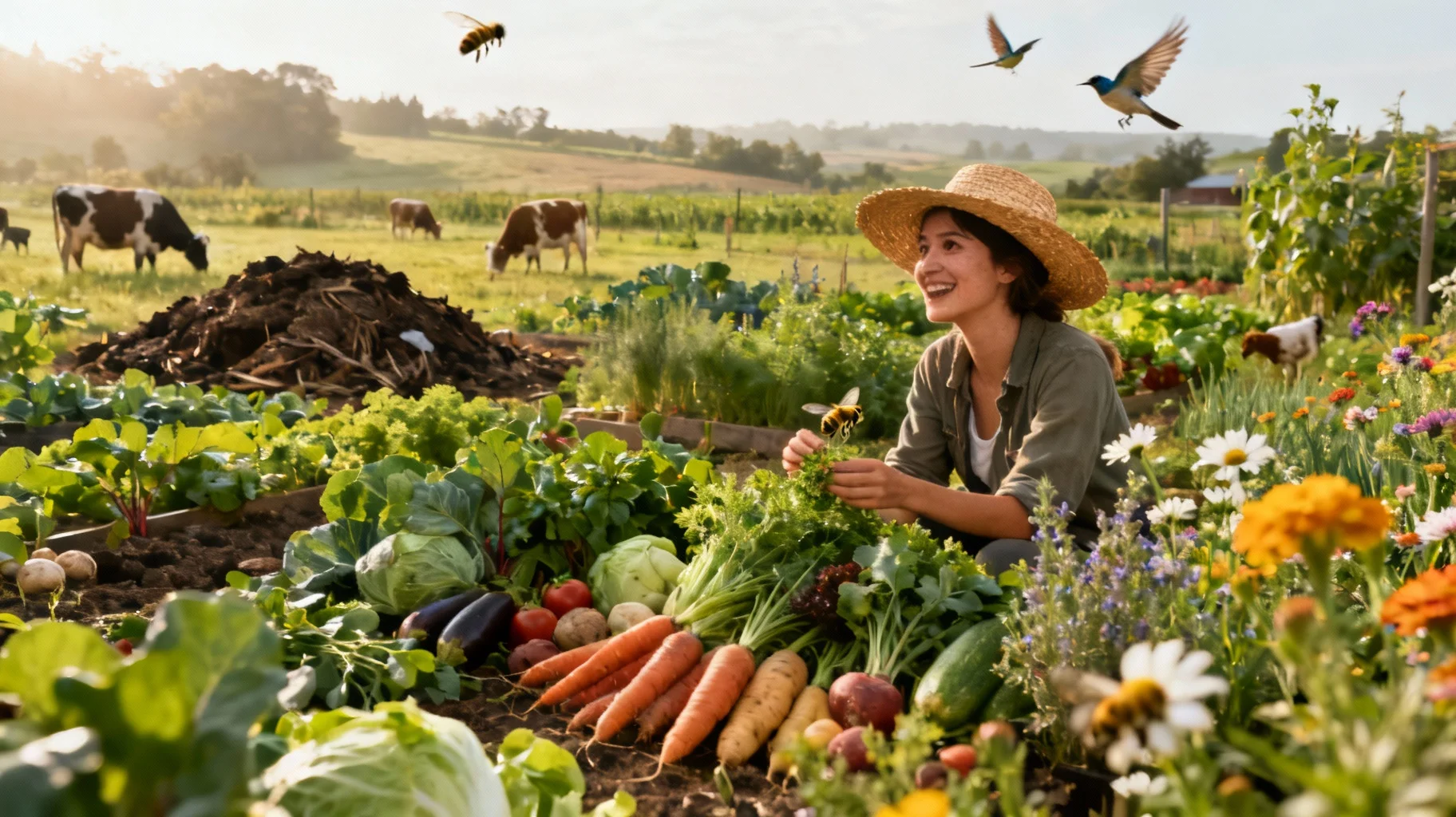
As the first certified organic farm on Long Island, Farrm Wines brings decades of experience in the art and science of biodynamic production. Adopting this philosophy since 1995, the vineyard exemplifies what biodynamic methods can achieve: fields in preservation, grape varietals thriving, and every process centered on regeneration. This commitment to holistic land care offers real-world benefits to the environment and final products alike. By respecting natural rhythms and cultivating a closed nutrient loop, biodynamic farmers foster soil with deeper structure, vitality, and resilience. In turn, grapevines and other crops flourish, producing fruit of exceptional depth and character.
The tangible benefits extend beyond the soil. Health-conscious consumers are discovering that biodynamic products often yield cleaner flavors and richer nutritional profiles, whether in a glass of wine or a basket of produce. The cultivation of grape varieties such as Cabernet Franc, Merlot, Malbec, and Petite Verdot on preserved land is not just a technical feat but a testament to the possibilities unlocked by biodynamic stewardship. For those in search of a more trustworthy and flavorful food system, biodynamic farming demonstrates how principles anchored in nature can redefine both sustainability and taste.
From Heritage to Innovation: Long Island’s Living Legacy in Biodynamics
Biodynamic farming on Long Island is more than a fleeting trend—it’s a living legacy deeply rooted in the region's agricultural transformation. The story of pioneers who first introduced organic practices has paved the way for today’s biodynamic leaders. Historical shifts, such as the decision to dedicate vineyard acres to preservation and deepen commitment to regenerative methods, highlight a continuous journey of learning and environmental consciousness. This long-term perspective shapes how present-day farms approach both their crops and their communities.
By connecting traditional stewardship with modern advances, biodynamic growers continually refine their processes for maximum effect. The preservation of land and development of new grape varietals represent not just agricultural milestones, but also cultural achievements. This blend of history and innovation matters for consumers today—each glass of biodynamic wine or bite of produce carries the story of a region pushing boundaries while honoring its roots.
Biodynamic Wine: A Direct Connection Between Land and Glass
Wine lovers, sommeliers, and curious newcomers often wonder: does the farming method truly influence what ends up in the bottle? In the context of biodynamic winemaking, the answer is a resounding yes. Every choice—from soil preparation to harvest timing—contributes to the final character of the wine. At vineyards dedicated to these principles, each vintage reflects the personality of the earth, weather, and ecosystem from which it sprung. Clean, organic, biodynamic wines bring forward the natural integrity of their terroir, showcasing flavors and aromas shaped by living soils and skilled stewardship.
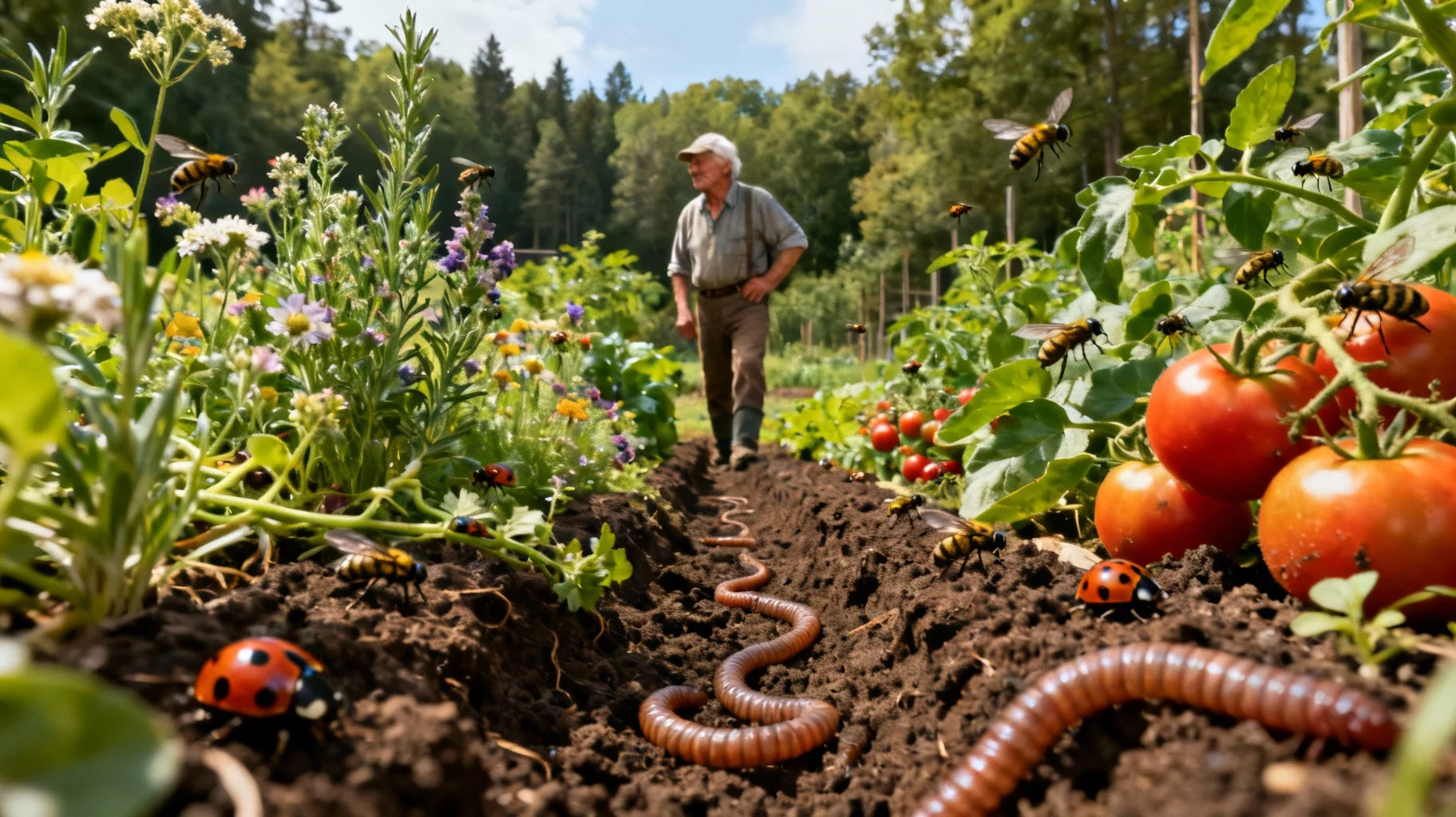
This direct connection between land and glass is not just academic; it is a sensory revelation for those who value authenticity. By tasting wines cultivated through biodynamic methods, consumers participate in a cycle of renewal and craft that defies mass-produced uniformity. The result is a lineup of wines—like Farrm Wines’ acclaimed reds—that embody both place and philosophy, inviting drinkers to experience the genuine vitality of biodynamic agriculture.
Why Knowing Biodynamic Farming Matters for Future Food Security
With global attention fixed on sustainable agriculture and food security, the unique insights provided by biodynamic farming are increasingly relevant. Farms that adopt regenerative, whole-system practices are better positioned to withstand environmental stresses and deliver consistent yields. More importantly, they serve as educational blueprints for communities and policymakers navigating the shifting terrain of climate adaptation and land preservation.
Being aware of biodynamic methods empowers consumers to make informed decisions aligned with their environmental and health values. It also enriches the broader conversation around food ethics, supporting a move away from extractive models toward systems of reciprocity and sustainability. In the years ahead, these principles could shape not just specialized vineyards or niche markets, but the very foundation of how food is grown, produced, and celebrated.
The Enduring Philosophy of Biodynamic Agriculture at the Heart of Long Island’s Vineyards
Farrm Wines embodies a philosophy that places land in preservation and strives to regenerate both the soil and the surrounding ecosystem. Being the first certified organic farm in the region and adopting biodynamic production since 1995, their approach is rooted in a genuine respect for nature’s cycles. By integrating biodynamic principles into every aspect of their vineyard operations, they deliver more than just exceptional wine—they foster a landscape capable of thriving for generations.
The vineyard’s enduring commitment to planting select grape varieties, careful stewardship, and continuous learning illustrates biodynamics in real action. Dedicating land to preservation and holistic cultivation demonstrates a forward-thinking mindset that values long-term success and community benefit over short-term gains. This unique perspective sets a powerful example for others aspiring to merge ecological responsibility with agricultural excellence, showing how the principles of biodynamic farming can inform a brighter, more resilient future for food and wine.
Real Guests Speak to the Biodynamic Difference: A Story from the Vineyard
Few things illustrate the impact of biodynamic farming better than the voices of those who’ve experienced it firsthand. Visitors to vineyards dedicated to these principles often come away with new understanding and appreciation for the method’s power—one such guest shared their memorable experience:
This place was amazing. The owners Rex and Connie were so inviting and we learned so much about Biodynamic farming. The choice of wines is small but they all were so wonderful. Rex took us in his truck on a tour of the vineyard. Absolutely a must. I got to pick some grapes and taste the different varietials. I learned so much and am thankful for Rex and Connie's hospitality.
For those curious about biodynamic farming, guest stories like this offer powerful testimony to the method’s transparency, hospitality, and effectiveness. Such firsthand experiences validate the tangible difference biodynamic methods make for people, product, and place—encouraging anyone intrigued by sustainable agriculture or authentic wine to explore further and experience the unique benefits themselves.
What Biodynamic Farming Means for the Future of Land and Taste
As agriculture faces growing pressure to feed populations while preserving the planet, biodynamic farming emerges as a beacon of both possibility and pragmatism. Through holistic, regenerative practices, this approach delivers more than ecological benefits—it brings renewed flavor, authenticity, and connection to everything that grows from the soil. The expertise and enduring vision demonstrated by trailblazers like those at Long Island’s vineyards reveal how biodynamic farming can lead a new chapter in sustainable agriculture. For anyone invested in the future of food, health, or land, this is a story worth following—because the solutions we seek may already be taking root.
Contact the Experts at Farrm Wines
If you’d like to learn more about how biodynamic farming could benefit your agricultural choices or wine selection, contact the team at Farrm Wines.
📍 Address: 156 Youngs Ave, Baiting Hollow, NY 11933, USA
📞 Phone: +1 631-369-8237
🌐 Website: https://farrmwine.com/
Farrm Wines Location and Hours of Operation
🕒 Hours of Operation:
📅 Monday: ❌ Closed
📅 Tuesday: ❌ Closed
📅 Wednesday: ❌ Closed
📅 Thursday: 12:00 PM – 5:00 PM
📅 Friday: 12:00 PM – 5:00 PM
📅 Saturday: 12:00 PM – 5:00 PM
📅 Sunday: 12:00 PM – 5:00 PM

Write A Comment